
toughened laminated glass suppliers
Understanding Standard Bore Gauges Precision Tools for Measurement In industries ranging from aerospace to automotive, accurate measurement is crucial for maintaining quality standards and ensuring the proper function of components. One essential tool that facilitates precise measurement is the standard bore gauge. This specialized instrument is designed to measure the internal diameters of holes, pipes, and other cylindrical objects, providing invaluable data for engineers and quality control specialists. What is a Standard Bore Gauge? A standard bore gauge, often referred to as a bore micrometer or internal diameter gauge, consists of a cylindrical frame equipped with electronic or analog measuring capabilities. The design typically features a set of interchangeable measuring probes or tips that are inserted into the bore to take measurements. By expanding or contracting the gauge, users can achieve a tight fit within the bore, allowing for accurate reading of the internal diameter. This tool is essential for instances where measuring an external diameter using traditional calipers or micrometers is not feasible. Bore gauges facilitate the measurement of parts like engine cylinders, hydraulic tubes, and bearing housings, where access may be restricted and precision is paramount. Types of Bore Gauges Bore gauges come in various designs—each tailored for specific applications. The most common types include 1. Dial Bore Gauges These feature a dial indicator that provides a visual reading of the diameter. The gauge is inserted into the bore, and as it expands to touch the inner walls, the dial indicates the exact diameter measurement. This type is user-friendly and highly accurate, suitable for general applications. 2. Digital Bore Gauges These advanced models feature digital displays that provide quick and easy readings. Digital bore gauges often have additional features like data storage and interfaces to connect to computers for tracking measurements over time, making them ideal for modern manufacturing environments. 3. Tapered Bore Gauges Designed specifically for measuring tapered holes, these gauges ensure that the correct measurement is taken at specific points along the length of the taper, allowing for accurate assessments of non-standard geometries. standard bore gage 4. Gauge Blocks While not a traditional bore gauge, gauge blocks are sometimes used alongside bore gauges to provide a standard reference for calibration. They ensure that the bore gauge provides reliable measurements by checking the gauge against known standards. Advantages of Using Standard Bore Gauges The use of standard bore gauges offers several advantages - Precision Bore gauges are known for their high level of accuracy, which is crucial in quality control processes. They are capable of measuring tolerances down to microns, ensuring that parts meet exact specifications. - Versatility With various probe sizes and shapes, bore gauges can measure a wide range of internal diameters, making them an adaptable solution for numerous applications across different industries. - Ease of Use Modern bore gauges, especially digital models, are designed for user-friendly operation. Many come equipped with features that simplify the measurement process, such as automatic calibration and easy-to-read displays. - Durability Built with robust materials, bore gauges can withstand the wear and tear of industrial environments, ensuring they deliver reliable performance over time. Conclusion In conclusion, standard bore gauges play a pivotal role in ensuring the quality and precision of internal measurements in a wide array of industries. Their ability to provide accurate and reliable data makes them indispensable tools for engineers and quality control professionals. As technology continues to evolve, we can expect further advancements in bore gauge design, leading to even greater ease of use and accuracy. Emphasizing the importance of measurement tools like the standard bore gauge underscores the commitment to quality and excellence in manufacturing processes. Proper training in the use of these tools will ensure that the intended benefits are fully realized, contributing to superior product performance and reliability.
about
toughened laminated glass suppliers
Understanding the Standard Dial Bore Gauge An Essential Tool for Precision Measurement In the realm of manufacturing and engineering, precision is paramount. One of the key instruments that facilitate accurate measurements within cylindrical objects — such as holes and bores — is the standard dial bore gauge. This article delves into the features, applications, and advantages of using a dial bore gauge in various industries. What is a Dial Bore Gauge? A dial bore gauge is a specialized measuring instrument used to assess the internal diameter of a cylindrical workpiece. Unlike traditional calipers, which measure external dimensions, dial bore gauges are designed to fit into the bore of the part to deliver precise readings. This instrument typically consists of a dial indicator mounted on a shaft, equipped with internal measuring arms that can expand and contract to measure different diameters. Structure and Components The basic structure of a standard dial bore gauge includes the following components 1. Dial Indicator The dial is the most crucial part, displaying measurement readings in either metric or imperial units. The needle on the dial moves in response to changes in bore diameter. 2. Measuring Arms These are the extendable parts of the gauge that contact the inner wall of the bore. They can be adjusted to achieve a secure fit, allowing the gauge to be reliable even in varied conditions. 3. Calibration Rod Frequently found in higher-end models, calibration rods ensure the bore gauge is set to proper standards before measurements are taken. 4. Handle and Gauge Body These provide maneuverability and stability while measuring, ensuring consistent results. How to Use a Dial Bore Gauge Using a dial bore gauge accurately requires a systematic approach 1. Preparation Ensure the gauge is calibrated and clean. Any debris in the bore can lead to inaccurate measurements. 2. Insertion Carefully insert the gauge into the bore until the measuring arms gently touch the inner surface. 3. Adjustment Adjust the measuring arms to ensure they are snug against the wall of the bore. This is crucial for obtaining an accurate reading. standard dial bore gauge 4. Reading Measurement Observe the dial indicator to read the measurement, which reflects the diameter at that specific point in the bore. For enhanced accuracy, measurements can be taken at various points along the bore. 5. Documentation Record the measurements for quality control and further analysis . Applications of Dial Bore Gauges Dial bore gauges are invaluable across several industries, including - Automotive In manufacturing engine blocks and other components, ensuring that bores meet precise specifications is critical for performance and safety. - Aerospace Components in aircraft must adhere to strict quality standards, making the dial bore gauge an essential tool for quality assurance. - Manufacturing Many other types of machinery and equipment require precise internal measurements to maintain functionality and ensure the interchangeability of parts. Advantages of Using Dial Bore Gauges The dial bore gauge offers several advantages that make it a favored choice among engineers and machinists 1. Precision The design allows for high accuracy in measurements, which is crucial for quality assurance in engineering projects. 2. Ease of Use While calibration and setup are required, the actual usage of a dial bore gauge can be relatively straightforward for trained personnel. 3. Portability Most dial bore gauges are compact and easy to transport, facilitating measurements on-site or in diverse work environments. 4. Durability Typically made from robust materials, these gauges can withstand the rigors of a machine shop without losing their accuracy over time. 5. Versatility Suitable for various applications and industries, the dial bore gauge can adapt to different sizes and types of bores. Conclusion In conclusion, the standard dial bore gauge is an indispensable tool in the world of precision measurement. With its ease of use, accuracy, and versatility, it empowers engineers and machinists to maintain the high standards required in modern manufacturing. As technologies advance and the demand for precision increases, the dial bore gauge will undoubtedly continue to play a critical role in the industry, ensuring that every bore meets the stringent specifications necessary for today’s complex machines.
-

High quality industrial productsagement

High quality industrial products
View Details -

Meet the diverse needs of customers

Meet the diverse needs of customers
View Details -

Strict quality control

Strict quality control
View Details -

Top raw materials

Top raw materials
View Details -

Trusted supplier

Trusted supplier
View Details
Our application

news and information
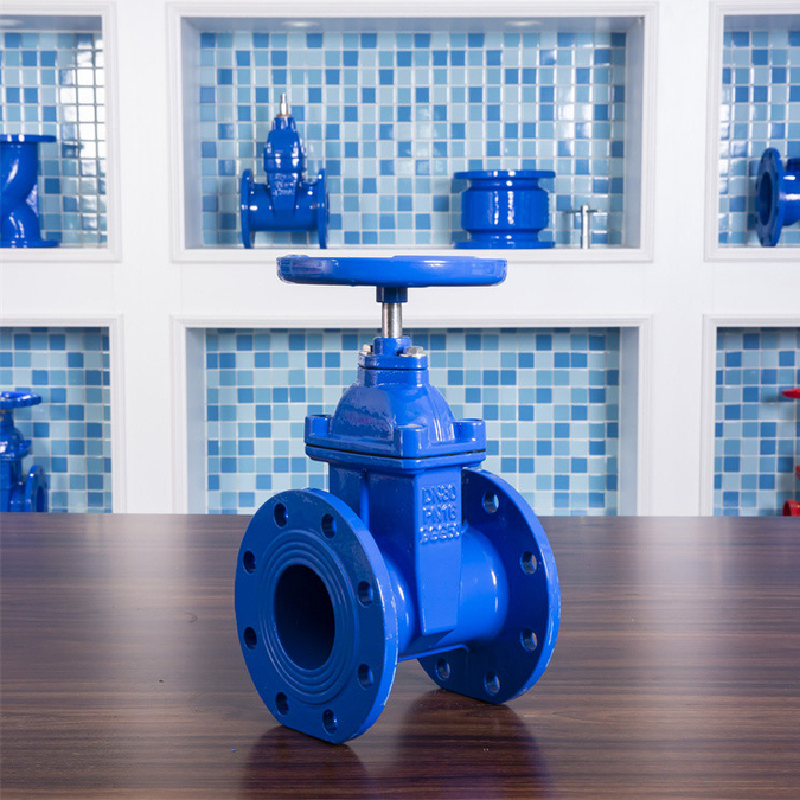
Válvula de gate de 400mm para sistemas de tubulação industriais e comerciais
400mm gate valve .

Using Thread Ring Gauge for Precision Measurement and Quality Assurance in Manufacturing
The Importance of a Thread Ring Gauge in Quality Control In the realm of engineering and manufacturi
use of thread gauge
The Use of Thread Gauges Ensuring Precision in Manufacturing In the world of manufacturing and engin
 English